Pumping 101: Tips to Maximize Your Pumping Experience
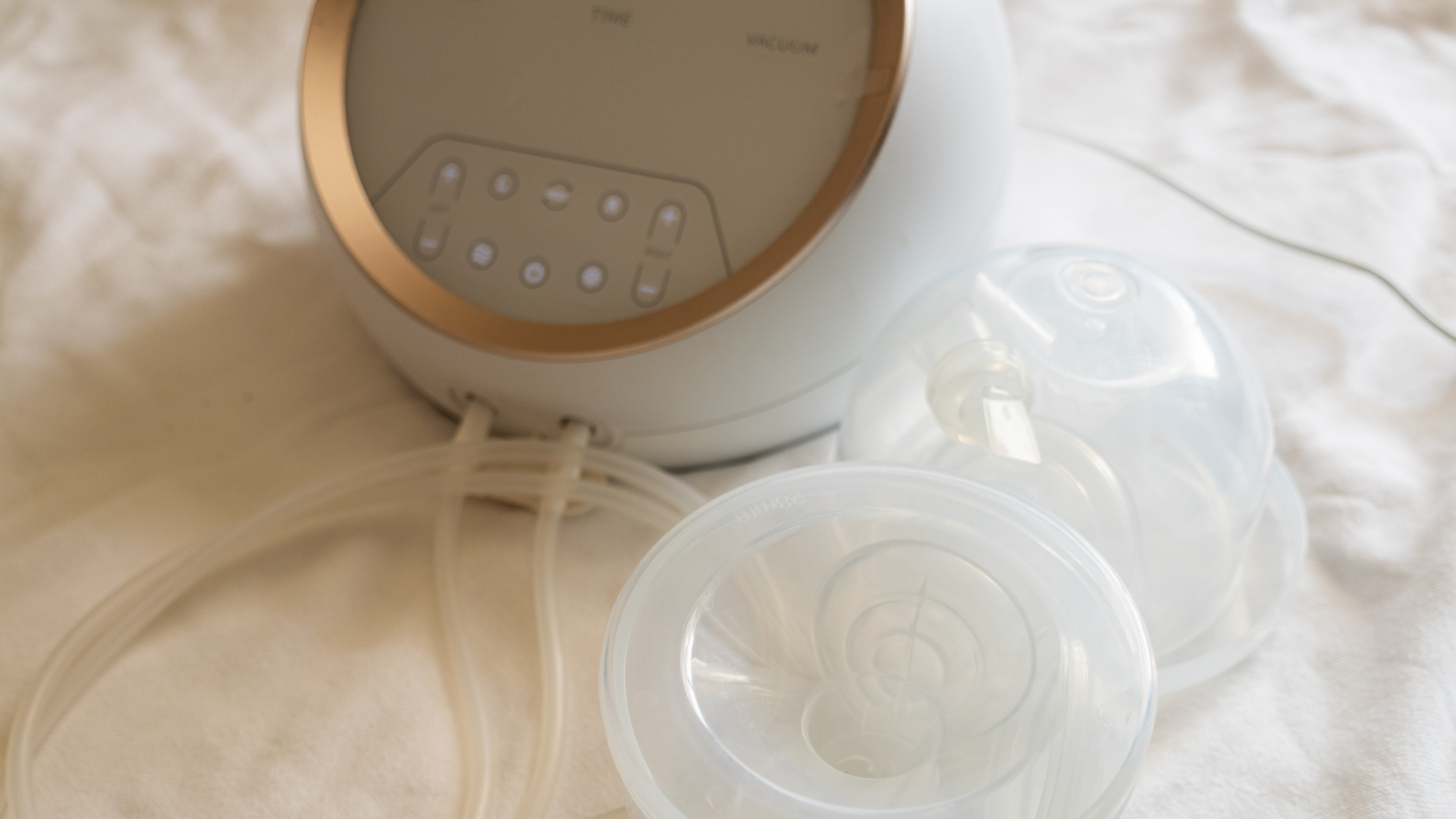
Today is World Breast Pumping Day (1/26)
So, we’re celebrating you - the late nights, early mornings, quiet moments, and all the work that goes into nourishing your baby. Pumping is no small task, and whether you pump occasionally or exclusively, we see you.
If you're just starting out (or planning to pump), here’s a quick, practical list to help maximize your pumping experience and make it feel a little more manageable:
Choose the Right Pump
Not all breast pumps are created equal. Shape, suction strength, and settings all matter - and what works for one mom may not work for another.
We often recommend starting with a stationary pump (one that plugs into the wall). This allows you to establish a baseline for how much milk your body typically produces in a pumping session. Once you know your “normal,” you can trial a wearable pump and compare volumes.
Many moms notice a decrease in output with wearable pumps, but that doesn’t mean you’re doing anything wrong!
Flange Fit Matters (More Than You Think)
Nipples come in all shapes and sizes, and flange fit plays a huge role in both comfort and milk output. An incorrect size can lead to pain, poor milk removal, and frustration.
Using a nipple measuring tool or working with a lactation consultant to confirm your size can be a total game-changer - and is often one of the simplest fixes when pumping doesn’t feel right.
More Suction ≠ More Milk
It’s a common myth that turning the suction all the way up will lead to more milk. In reality, pumping works best when your body feels relaxed.
Pump at the highest comfortable level, not the highest possible setting. Comfort supports letdown, and letdown supports milk flow.
Invest in a Hands-Free Pumping Bra
This one’s a must-have.
A hands-free pumping bra allows you to sit back, hydrate, eat a snack, scroll, or simply breathe without holding pump parts in place.
Less tension = more comfort = a better pumping experience overall.
Pump Both Breasts at the Same Time
Pump both breasts simultaneously for 15–20 minutes, or until milk stops flowing. Double pumping can help with efficiency and may support milk production over time.
Pumping Should Never Be Painful
This is worth repeating: pumping should not hurt.
Pain is your body’s signal that something needs adjusting - whether that’s flange size, suction level, pump settings, or technique. You don’t have to push through discomfort to be successful.
You Don’t Have to Figure This Out Alone
If pumping feels stressful, uncomfortable, or overwhelming, please know that support can make a world of difference. Small adjustments often lead to big improvements, and sometimes you just need a second set of experienced eyes.
At Choose Joy Nursing, we believe moms deserve care, education, and encouragement during every part of the postpartum journey - pumping included.
Our IBCLC (International Board Certified Lactation Consultant) offers 3 options tailored to you:
In-Home Prenatal Lactation Consultation
In-Home Postnatal Lactation Consultation
Virtual Consultation
Reach out today to get on her schedule!
We also have a digital Lactation Guide on our site for $4.99 that is a helpful resource with both pumping and breastfeeding!